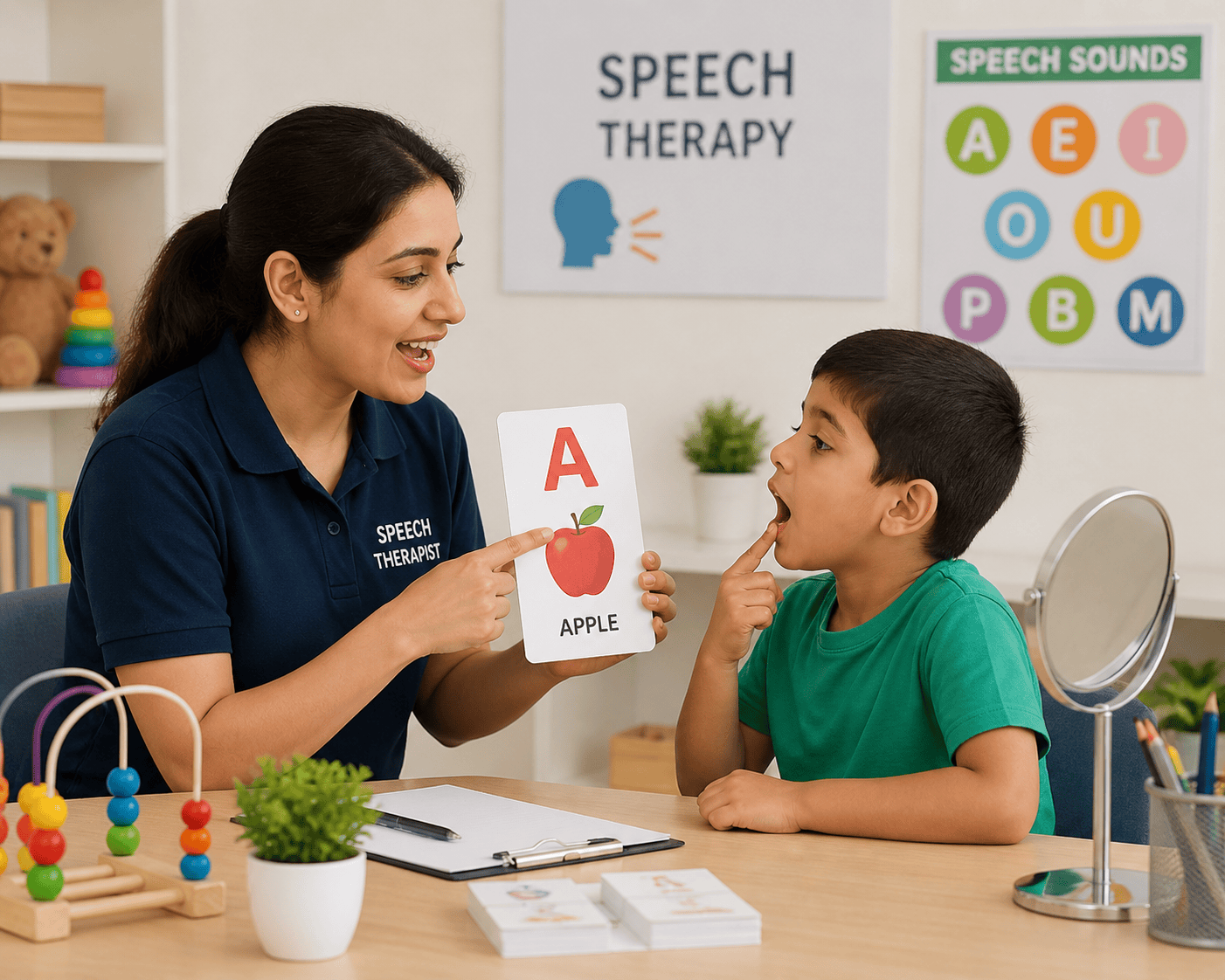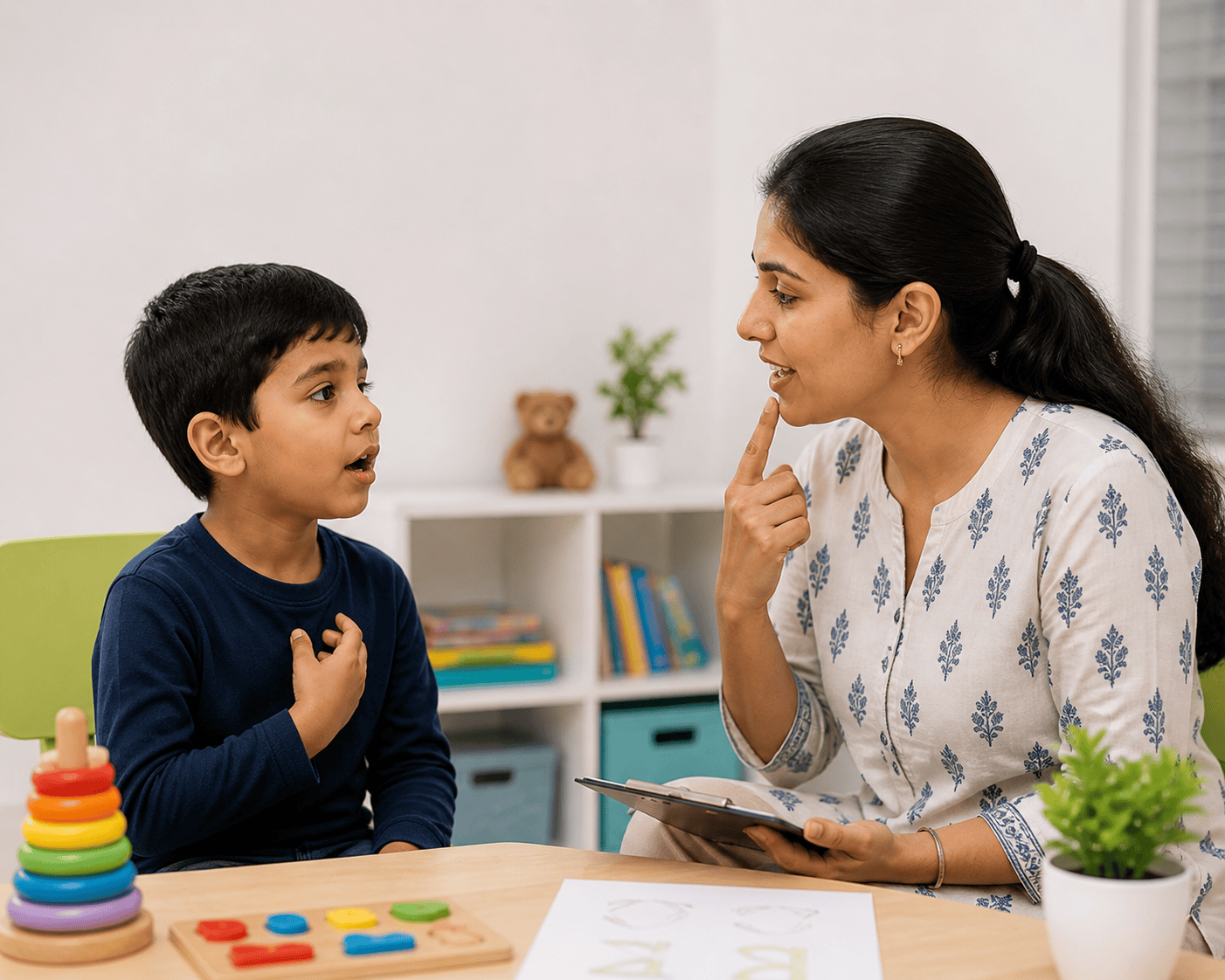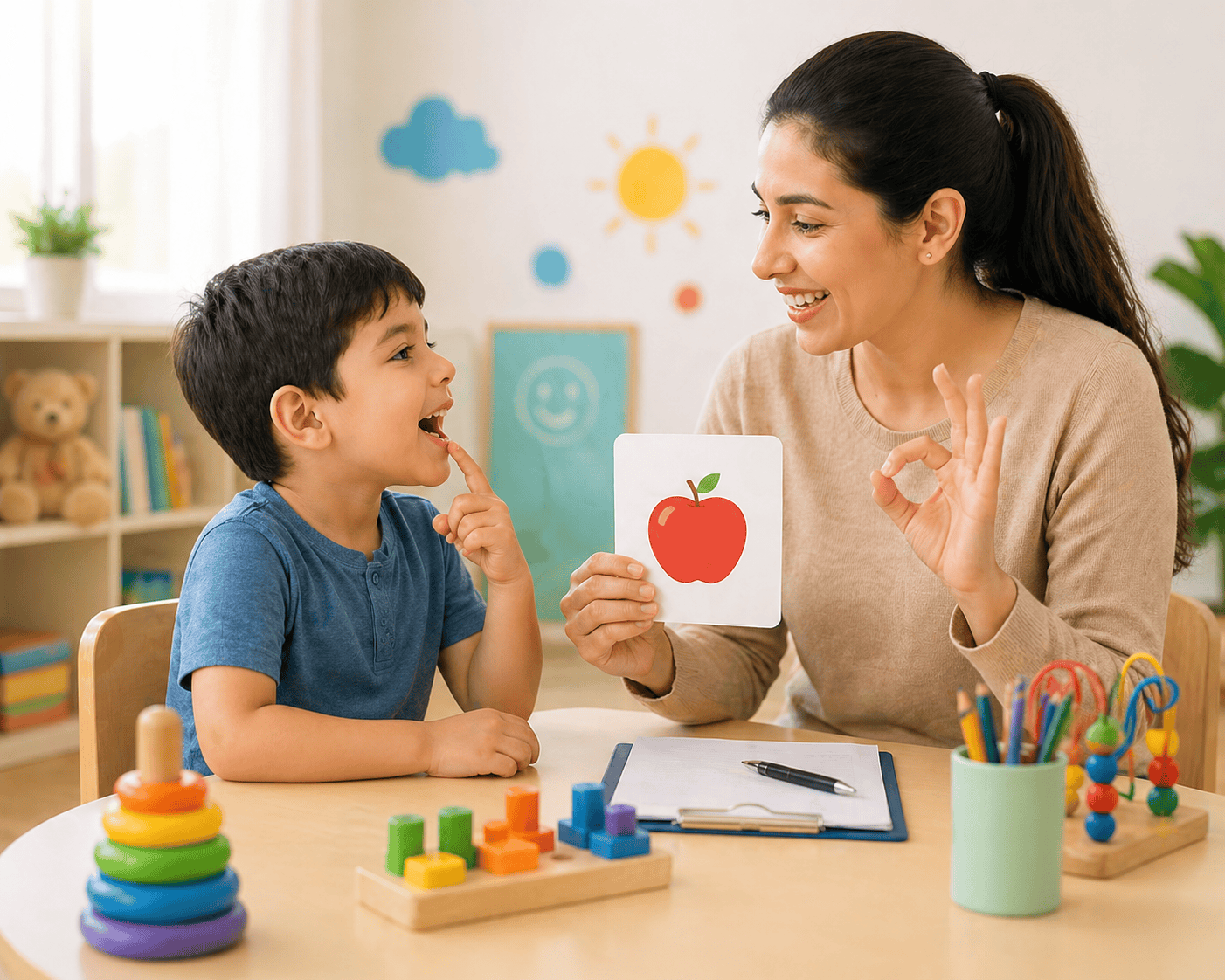
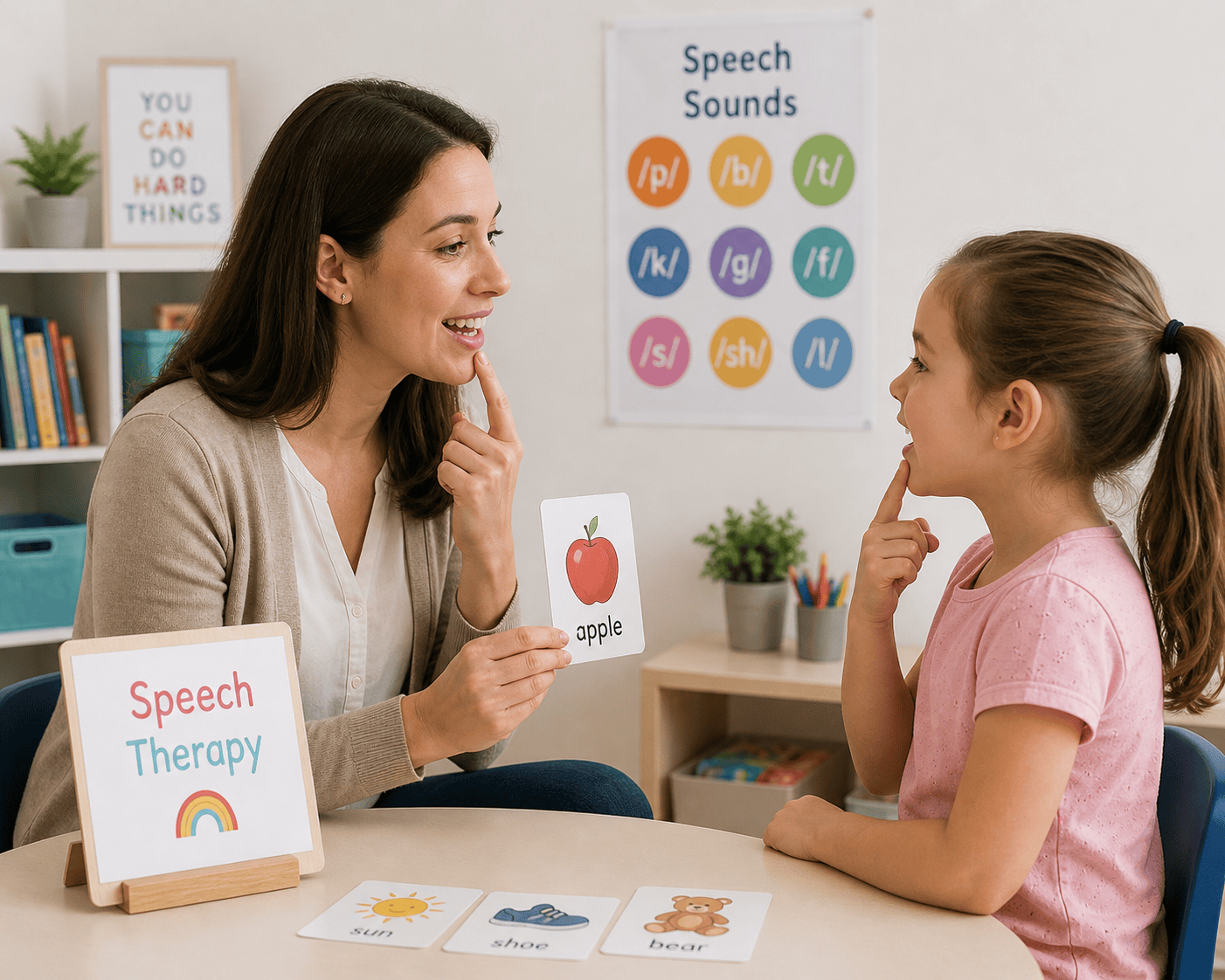
Is your child not speaking as expected for their age? Searching for "speech therapy for children in Lucknow" or a "speech therapist near me for speech delay"? You've come to the right place. Speech delay is one of the most common developmental concerns in children today — and with early, expert intervention in Lucknow, most children make remarkable progress. This guide explains exactly what speech delay is, how to spot it early, and what to do next.
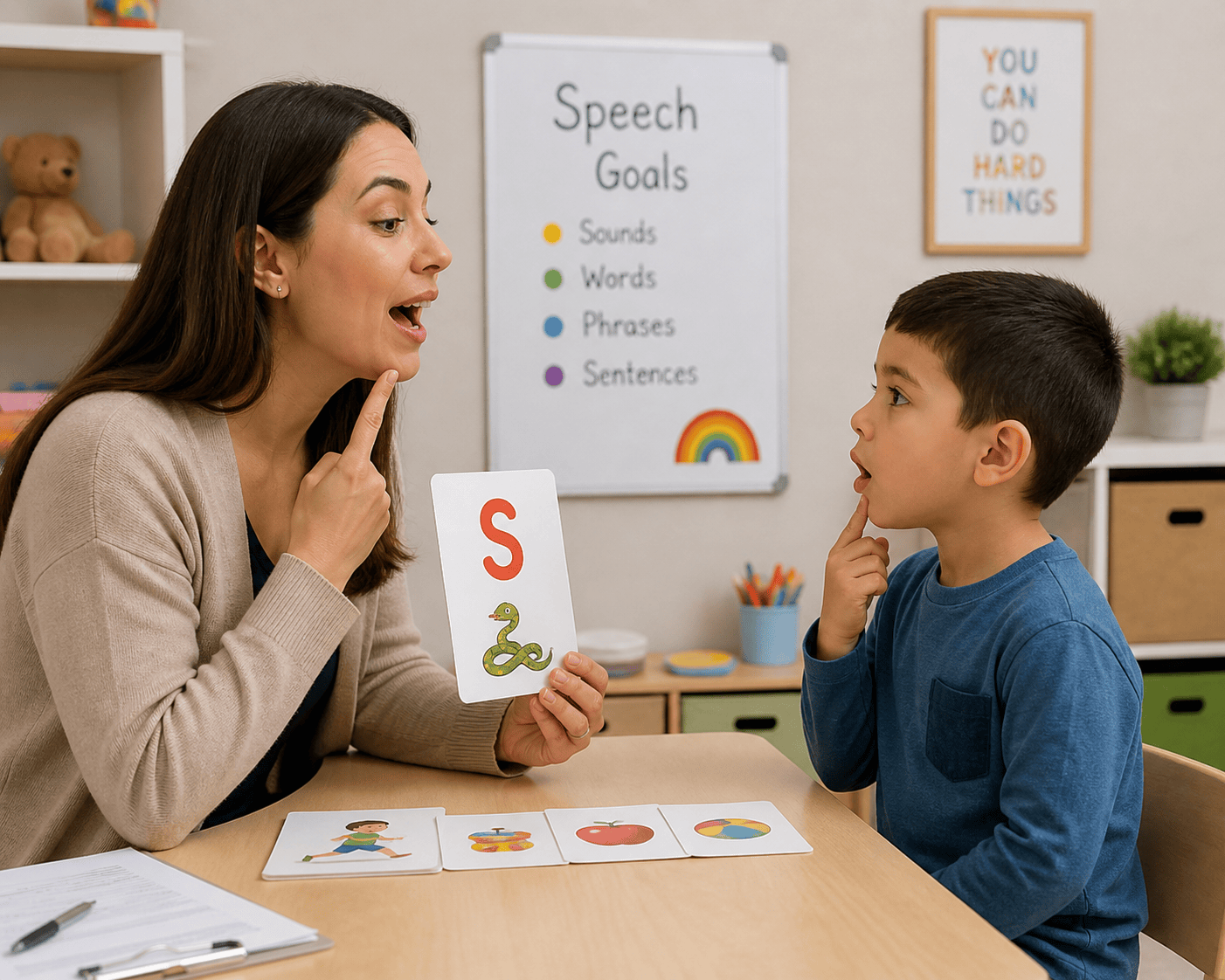
What is Speech Delay?
Speech delay (also called late talking) occurs when a child does not develop speech and language skills at the expected age. It may affect pronunciation, vocabulary, sentence formation, and overall communication ability. Speech delay is not the same as language delay — while both can co-occur, they involve different aspects of communication. Certified speech-language pathologists (SLPs) in Lucknow are trained to assess and treat both.
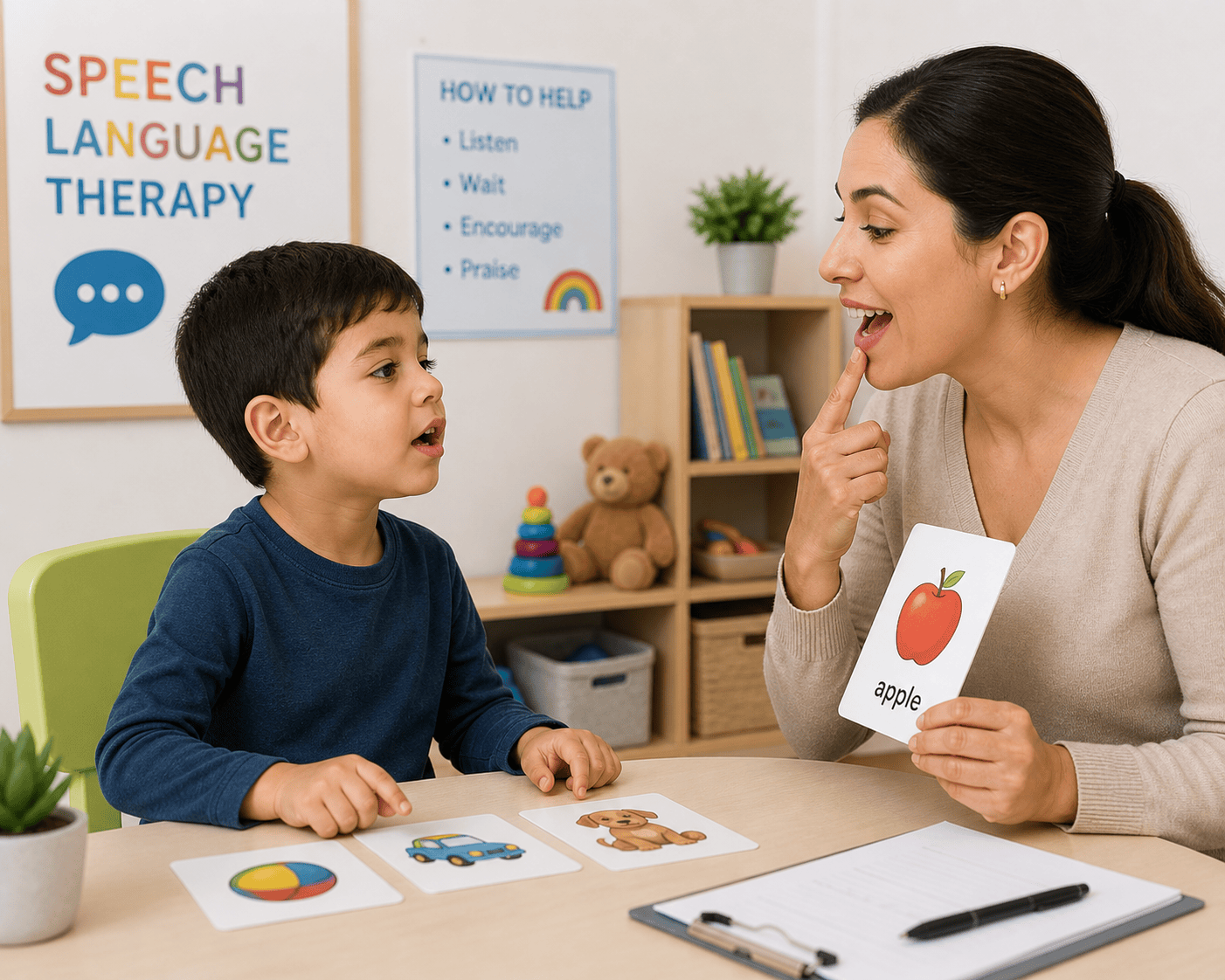
Speech delay treatment in Lucknow helps with:
- Building vocabulary and expanding word use
- Forming sentences and expressing ideas clearly
- Improving pronunciation and articulation
- Developing listening and comprehension skills
- Boosting confidence in social communication
Speech Development Milestones
Knowing what to expect at each age helps parents in Lucknow identify a delay early. These are the key communication milestones every parent should know:
Babbles and makes varied sounds; responds to voices and familiar faces.
Says 1–3 meaningful words; understands "no" and simple commands.
Uses at least 20 words; points to objects and body parts when named.
Combines two words (e.g., "more juice"); vocabulary of 50+ words.
Forms 3–4 word sentences; strangers understand ~75% of speech.
Speaks in full sentences; tells stories; asks many "why" questions.
Signs of Speech Delay in Children
Whether your child is a toddler or school-age, these warning signs are reasons to seek a speech therapy assessment in Lucknow without delay:
Common Causes of Speech Delay
Understanding the root cause is the first step toward the right treatment. A certified speech-language pathologist in Lucknow will conduct a thorough assessment to identify which factor — or combination of factors — is at play:
Even mild hearing difficulties can significantly disrupt speech and language development. A hearing test is usually the first step in assessment.
Conditions affecting brain development — such as cerebral palsy or epilepsy — can directly impact the speech-motor and language-processing areas.
Speech and language delay is one of the earliest signs of autism. ASD affects social communication, not just articulation.
Excessive screen time and limited adult interaction can slow language acquisition, especially in the critical 0–3 year window.
Global developmental delay can affect cognitive, motor, and language skills together, requiring a multidisciplinary therapy approach.
Conditions like Down syndrome, cleft palate, or tongue-tie can directly affect speech production and require specialist support.
Why Lucknow Families Trust Growing Stars for Speech Delay
All therapists are RCI-registered speech-language pathologists with specialisation in child speech delay.
Centrally located in Aliganj, Lucknow — with home-visit options for young children.
Trusted by 120+ families across Aliganj, Indira Nagar, Gomti Nagar, and Vikas Nagar.
When Should You Start Speech Therapy in Lucknow?
The answer is simple: as soon as you have a concern. Research consistently shows that the brain is most receptive to language learning in the first 3 years of life. Waiting for your child to "grow out of it" can cost months of critical development time.
Our team at Growing Stars has helped over 300 children across Lucknow reach age-appropriate communication milestones through structured, compassionate early intervention programmes. If your child is a late talker, a speech delay assessment in Lucknow is the best first step.
What Parents Can Do at Home
Home practice is one of the most powerful accelerators of speech therapy progress. Here are proven strategies parents in Lucknow can use every day alongside professional therapy:
Talk to your child frequently — narrate daily activities like dressing, cooking, and shopping
Encourage imitation of sounds and words through games and songs
Use play-based learning: blocks, puppets, and picture books build vocabulary naturally
Limit screen time — increase face-to-face interaction and responsive conversation
Read books aloud daily and describe the pictures in simple language
Celebrate every attempt at communication, however imperfect, to build confidence