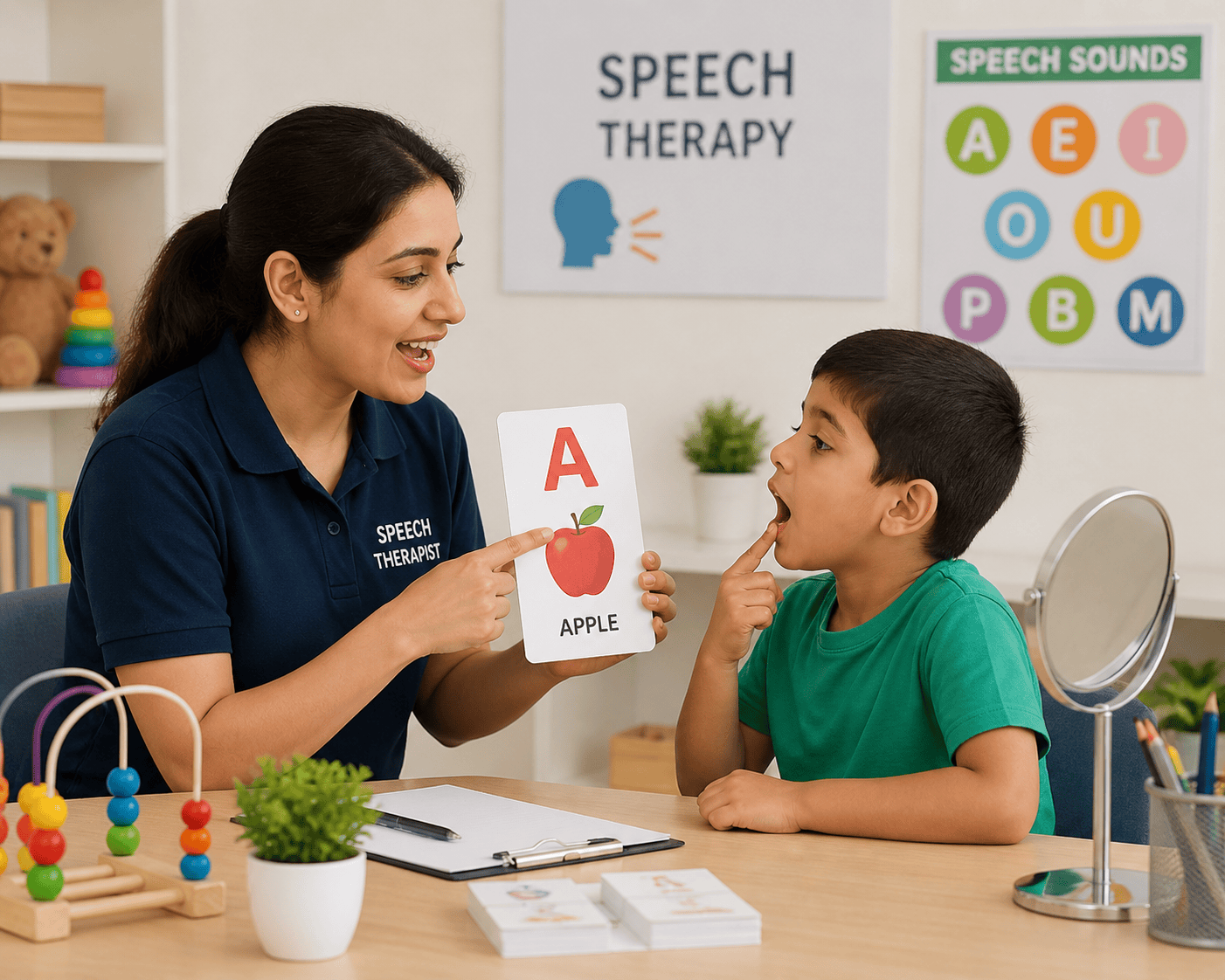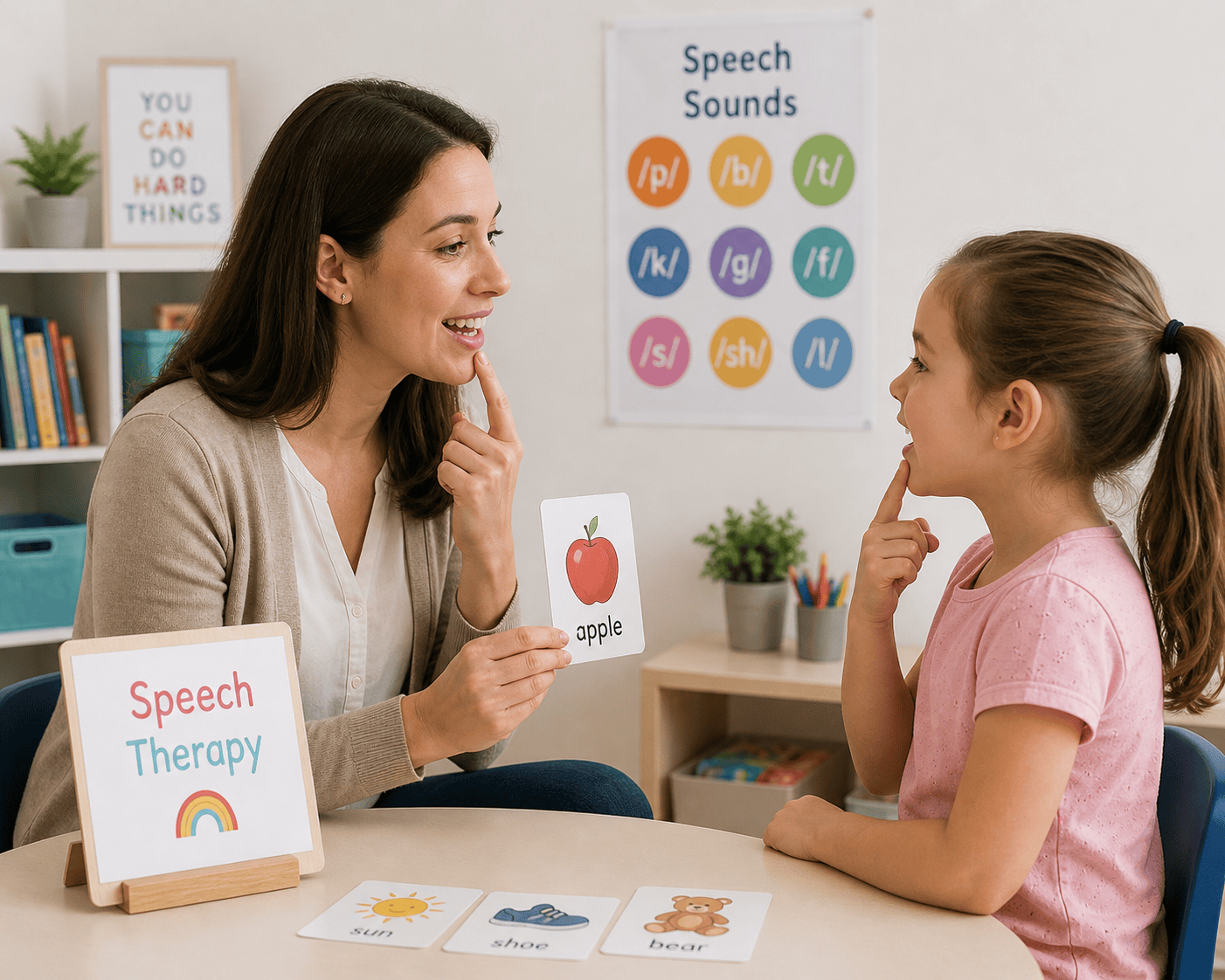
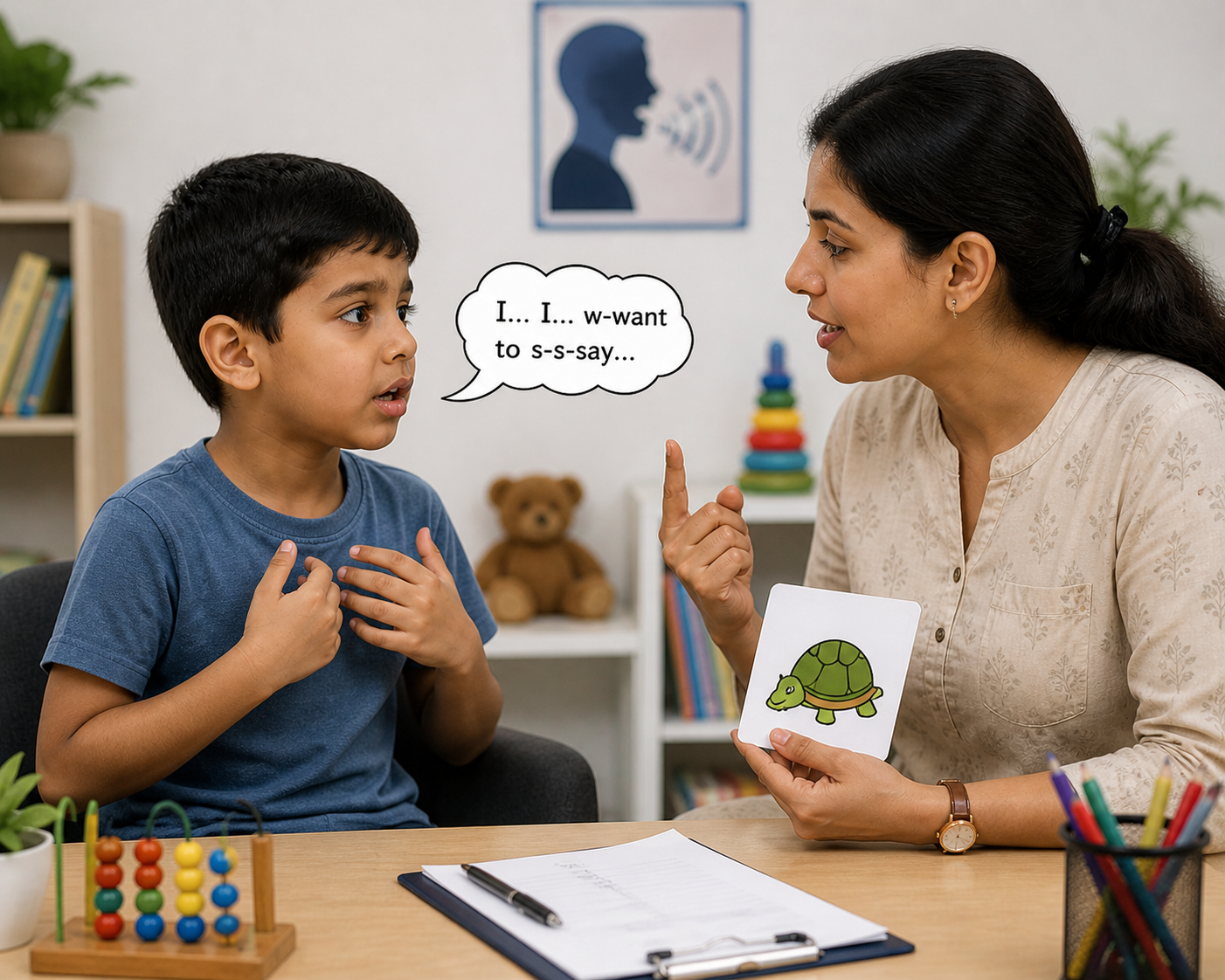
Are you searching for "stammering treatment in Lucknow" or a "speech therapist for stuttering near me"? You've come to the right place. Stammering (also called stuttering) affects nearly 1% of adults and 5% of children worldwide — yet many families in Lucknow wait years before seeking help, often because of stigma or lack of awareness. Timely, expert stammering therapy in Lucknow is now more accessible than ever.
What Exactly Is Stammering?
Stammering is a fluency disorder in which the smooth flow of speech is interrupted by involuntary repetitions, prolongations, or complete blocks. Unlike an occasional slip of the tongue, stammering is neurological — it reflects a disruption in the highly coordinated sequence of muscle movements required for speech. Effective therapy in Lucknow addresses both the visible stammer and the emotional iceberg beneath it: shame, avoidance, and social withdrawal.

Stammering therapy in Lucknow helps with:
- Reducing repetitions, prolongations, and blocks
- Building confidence in everyday conversations
- Overcoming avoidance and social withdrawal
- Managing anxiety linked to speaking situations
- Achieving fluent speech at school and work
Signs & Symptoms of Stammering
Whether your child attends school near Aliganj or you're an adult professional in Lucknow, recognising these signs early can make all the difference:
Causes of Stammering
Understanding why stammering happens helps families in Lucknow make sense of what their child or loved one is experiencing — and why professional therapy is so important:
Stammering runs in families. If a parent or sibling stutters, there is a higher risk of the condition appearing in children, suggesting a strong hereditary component.
Brain imaging studies show differences in the speech-motor processing areas in people who stammer, affecting the coordination between intention and physical execution of speech.
While anxiety does not cause stammering, stress, excitement, and social pressure significantly worsen fluency. High-stakes situations like interviews or presentations amplify blocks.
In young children, the brain's language demands can temporarily outpace motor speech ability. This developmental stammer usually resolves naturally but benefits from early monitoring.
Over time, people who stammer often develop avoidance behaviors — substituting words, avoiding phone calls, or speaking less — that reinforce and deepen the stammer cycle.
Stammering in Children vs Adults
Whether you're a parent in Sector B, near Aliganj Market, or a working professional anywhere in Lucknow, the right stammering therapist near you can deliver transformative results:
In Children (2–12 years)
- Most common onset: ages 2–5 during peak language development
- Up to 80% of children naturally recover without therapy
- Boys are 3–4× more likely to persist than girls
- Early therapy dramatically improves long-term outcomes
- Parent involvement is central to treatment success
- Lucknow school environments can increase awareness/anxiety
In Adults (18+ years)
- Most adult stammers began in childhood and persisted
- Therapy focuses on both fluency skills and acceptance
- Career and social impact is the primary motivation
- Avoidance and shame often need direct therapeutic work
- Adults achieve excellent results with consistent practice
- Online therapy available for working professionals in Lucknow
Why Families in Lucknow Trust Growing Stars
All therapists hold RCI-registered qualifications in speech-language pathology.
Clinic located centrally in Aliganj, Lucknow with easy access across all areas.
Trusted by 120+ families across Aliganj, Indira Nagar, and Gomti Nagar.
Treatment Options for Stammering in Lucknow
Our stammering therapist in Lucknow begins with a thorough individual assessment and creates a personalised plan. Each treatment approach is evidence-based and tailored to the patient's age, severity, and goals.
Targeted drills for breathing regulation, gentle onset, and smooth speech flow.
Graded real-world speaking tasks — from reading aloud to group conversations.
Gradual exposure to feared situations, reducing anticipatory anxiety permanently.
Fluency Shaping Therapy
Most EffectiveThis evidence-based technique teaches a completely new way of speaking — using gentle voice onset, slow rate, and continuous airflow to produce smooth, flowing speech from the ground up.
Stuttering Modification Therapy
Widely UsedRather than eliminating all stuttering, this approach helps patients stutter more easily and without tension. Techniques like pullouts and cancellations reduce struggle and increase control.
Breathing Control Exercises
Core SkillDiaphragmatic breathing and controlled exhalation before speaking reduce the physical tension that triggers blocks. Consistent practice builds a calmer baseline for speech.
Desensitisation & Confidence Building
EssentialGradual exposure to feared speaking situations — from reading aloud alone to speaking in groups — builds tolerance and reduces the anticipatory anxiety that fuels stammering.
Parent-Child Interaction Therapy
For ChildrenFor children under 6, parent coaching is the most powerful intervention. We train parents to slow down their own speech, reduce questions, and create low-pressure communication at home.
Group Therapy & Peer Support
Lucknow GroupsSpeaking in a safe, supportive group with others who stammer is deeply therapeutic. Our Lucknow group sessions build real-world fluency and reduce isolation.
Your Therapy Journey at Our Lucknow Clinic
A typical stammering therapy programme at Growing Stars is structured, goal-driven, and designed around you. Here's what to expect:
Detailed fluency assessment, identifying triggers, severity scoring, and setting personal goals.
Introduction to fluency shaping, breathing control, and gentle voice onset. Daily home practice begins.
Practising in progressively challenging situations — shops, phone calls, classrooms, and workplaces.
Desensitisation work, confidence-building tasks, and preparing for high-stakes situations.
Monthly check-ins, group sessions, and a lifelong support community in Lucknow.
Why Early Intervention Matters
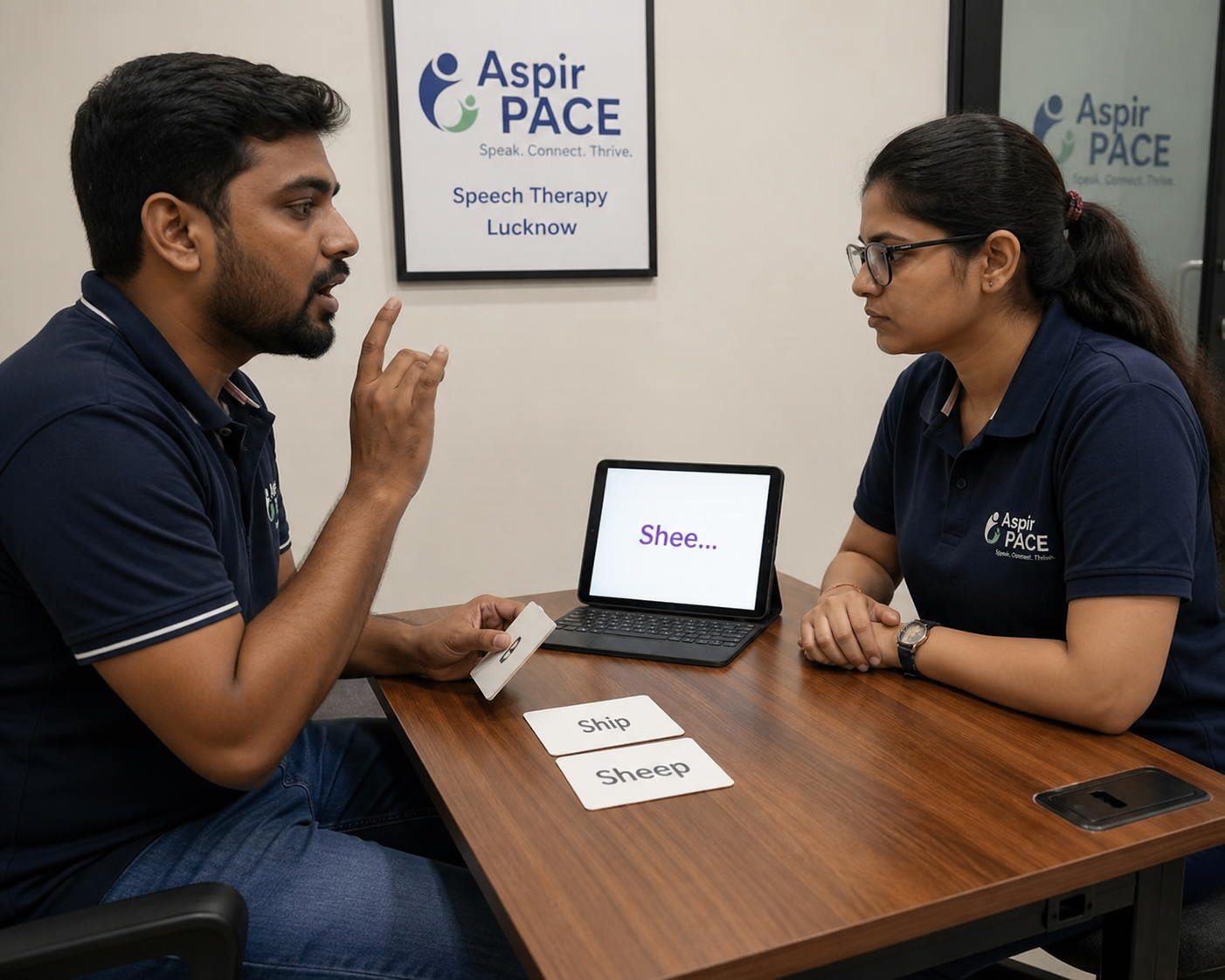
Research consistently shows that children who receive stammering therapy before age 5 make significantly faster progress. The developing brain is highly receptive to language learning in the early years. If you're a parent in Lucknow noticing a stammer — don't wait for school to flag it. Act early.
Our team has helped over 300 children across Lucknow reach age-appropriate communication milestones through structured, compassionate early intervention programmes.