
Logo Light
Logo Light
Contact Us
hello@growingstar.in
+91-6307034344
Mon - Sat (9AM - 7PM)

Follow Us

🍽️ Behavioural
Ages: Infancy+

Feeding Difficulties
Treatment in Lucknow

Nourishing bodies, building confidence

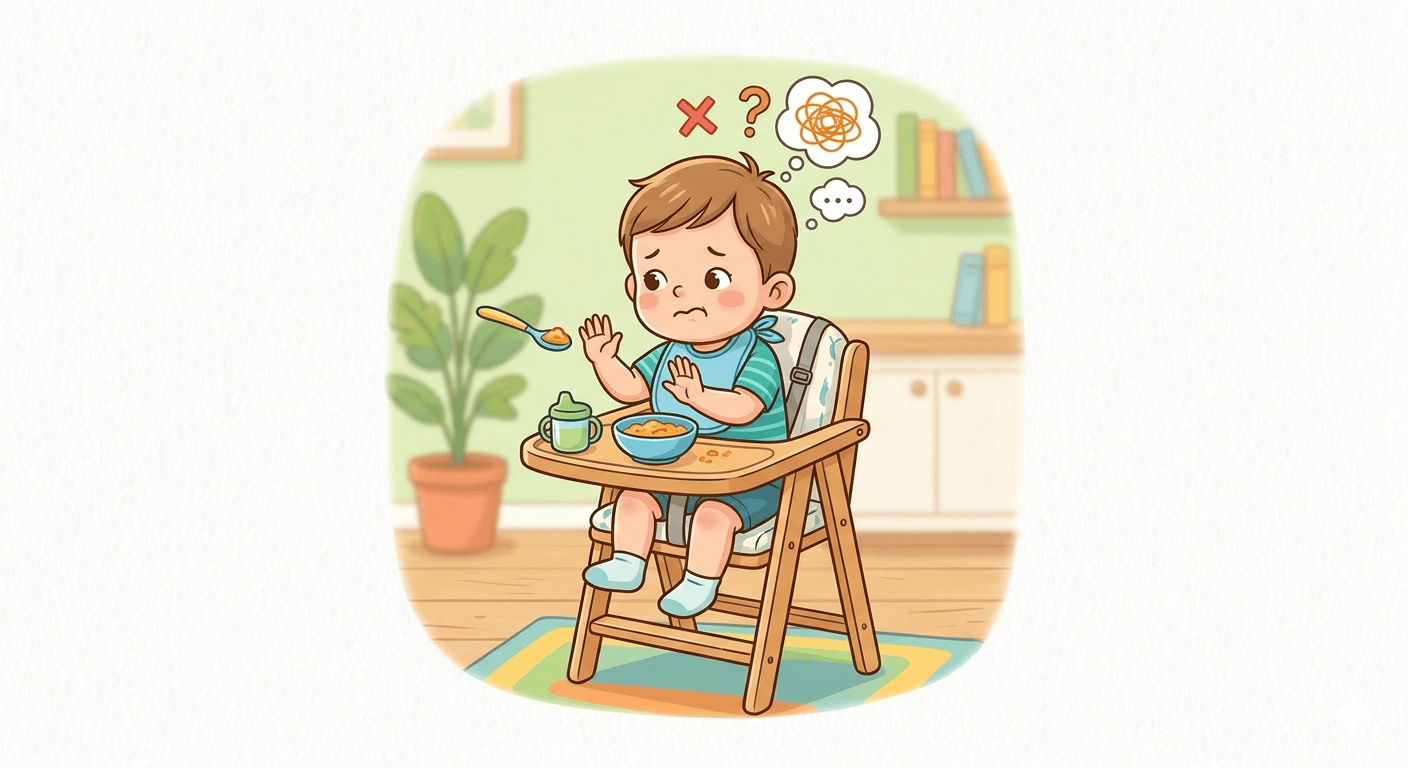
Feeding difficulties encompass a range of challenges including avoidant and restrictive eating, food aversions, oral motor difficulties, and swallowing problems. They can cause significant stress for families and affect a child's nutrition, growth, and social participation. With skilled, compassionate intervention, mealtimes can become calmer and more nourishing for the whole family.

Comprehensive feeding and swallowing assessment
Sequential oral sensory (SOS) feeding approach
Oral motor therapy for chewing and swallowing
Mealtime behaviour and environment guidance
Collaboration with dietitians and paediatricians
Family coaching for mealtime confidence
Feeding therapy for children at Growing Stars Lucknow
4.9 Β· 200+ Google Reviews
Recognise the Signs

Signs & Symptoms of
Feeding Difficulties

Recognising these signs early can make a significant difference. If your child shows several of these, seek a professional evaluation promptly.

Extremely limited food repertoire

Accepting fewer than 20 foods, refusing entire food groups or textures, or showing distress when preferred foods change in appearance.

Food aversions by texture, colour, or smell

Strong, consistent rejection of foods based on sensory properties rather than taste, making balanced nutrition very difficult.

Gagging or vomiting at mealtimes

Frequent or distressing gagging, retching, or vomiting in response to food textures, smells, or even the sight of certain foods.

Difficulty chewing or swallowing

Pocketing food in the cheeks, excessive drooling, prolonged chewing, or coughing and choking during meals suggesting oral motor weakness or swallowing difficulties.

Mealtimes lasting over 30 minutes

Prolonged meals due to slow eating, distraction, refusal, or the need for significant coaxing β€” causing stress for both child and family.

Growth or nutrition concerns

Faltering growth, nutritional deficiencies, or excessive reliance on nutritional supplements or formula beyond expected developmental stages.

Understanding the Condition

Causes & Contributing Factors

Understanding why Feeding Difficulties occurs helps families navigate the journey with clarity and confidence.

Sensory Processing Differences

Heightened oral sensory sensitivity to textures, temperatures, flavours, or smells makes a wide range of foods aversive and can lead to significant dietary restriction.

Oral Motor Difficulties

Weakness or incoordination of the lips, tongue, cheeks, or jaw muscles affects the ability to manage different food textures safely and efficiently.

Medical & Structural Causes

Gastro-oesophageal reflux, food allergies, cleft palate, tongue tie, or structural differences in the airway or oesophagus can all contribute to feeding challenges.

Negative Feeding Experiences

Early experiences of pain, discomfort, or frightening events during feeding β€” such as prolonged tube feeding, choking, or medical procedures β€” can lead to learned food avoidance and anxiety.

How We Help

Our Approach to
Feeding Difficulties

A structured, compassionate process from first assessment to lasting outcomes β€” personalised to every child.

Step 01

Feeding & Swallowing Assessment

Comprehensive evaluation of oral motor skills, sensory responses to food, swallowing safety, mealtime behaviour, dietary intake, and medical history.

Step 02

Mealtime Environment & Structure

Establishing calm, predictable mealtime routines and environments that reduce anxiety and create the conditions for food exploration.

Step 03

Sensory Desensitisation

Gradual, playful exposure to new food properties β€” beginning outside the mouth and progressing at the child's pace to reduce sensory aversion.

Step 04

Oral Motor Therapy

Targeted exercises and activities to strengthen and coordinate the oral muscles needed for safe, efficient chewing and swallowing of age-appropriate textures.

Step 05

Food Chaining & Repertoire Expansion

Systematically introducing new foods by building on accepted foods β€” step by step in colour, texture, or flavour β€” to expand dietary variety.

Step 06

Family Coaching & Interdisciplinary Collaboration

Empowering parents with mealtime strategies and working alongside paediatricians, dietitians, and gastroenterologists for a whole-child approach.

Expected Outcomes

What Families See
After Treatment

With consistent therapy and family involvement, children with Feeding Difficulties make meaningful, measurable progress at Growing Stars.

Expanded food repertoire and dietary variety
Safer, more efficient chewing and swallowing
Calmer, more enjoyable mealtimes for the whole family
Improved nutritional intake and growth
Reduced mealtime anxiety and behavioural difficulties
Greater social participation in food-related activities
Where to Find Us

Available at
Both Locations

Main Center

Aliganj Center

MM-271, Sector D, Aliganj, Lucknow
Mon–Sat: 9 AM – 7 PM

IIM Road Center

IIM Road, Near Rajhansh Public School, Lucknow
Mon–Sat: 10 AM – 6 PM
FAQ

Common Questions
About Feeding Difficulties

Still have questions? We're here to help. Reach out to our Lucknow team directly.

Contact Us

Most young children go through phases of food refusal or preference β€” this is typical. However, when a child's food repertoire is very limited, growing more restricted over time, causing significant nutritional concern, or resulting in mealtime distress for the whole family, a feeding assessment is warranted. Our team can help distinguish typical fussiness from a clinical feeding difficulty.

Yes. Avoidant and restrictive eating is significantly more common in autistic children and those with sensory processing difficulties. The same sensory differences that affect other areas of daily life also affect responses to food textures, smells, temperatures, and appearances.

A feeding difficulty refers broadly to challenges with accepting and eating food, which may include behavioural, sensory, or motor components. A swallowing disorder (dysphagia) specifically involves difficulty moving food or liquid safely from the mouth to the stomach and may pose a risk of aspiration. Both can co-exist and both are addressed by our feeding therapy team.

Tube feeding is sometimes necessary when nutritional needs cannot be met safely by mouth, particularly in medically complex children. For most children seen at Growing Stars, the goal is to support safe oral feeding and reduce or eliminate tube dependence where clinically appropriate, in collaboration with the child's medical team.

Ready to Help Your Child
Overcome Feeding Difficulties?

Book a free 30-minute assessment at our Aliganj or IIM Road center. Our specialists will evaluate your child and design a personalised therapy plan.

Free assessment Β· No waiting list Β· Aliganj & IIM Road Centers

Related Conditions

These conditions often co-occur or share similar characteristics with Feeding Difficulties.

Recommended Therapies

Our evidence-based services that directly address Feeding Difficulties.