
Logo Light
Logo Light
Contact Us
hello@growingstar.in
+91-6307034344
Mon - Sat (9AM - 7PM)

Follow Us

πŸ’¬ Speech & Language
Ages: 2+ years

Language Disorder
Treatment in Lucknow

Building the language for thought, connection, and learning

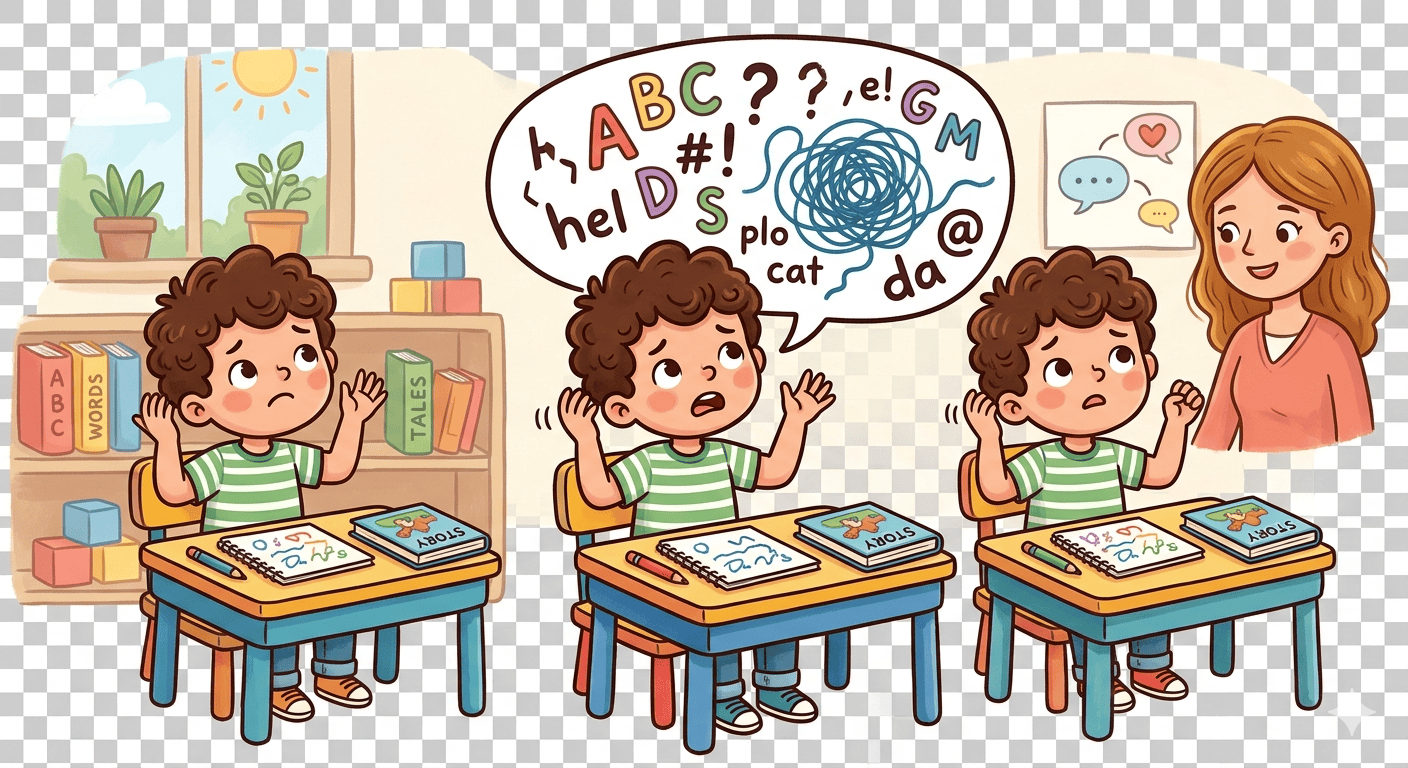
A Language Disorder involves persistent difficulties understanding and/or using spoken, written, or other symbol systems. It affects both what a child can understand (receptive language) and what they can express (expressive language). Language disorder impacts academic learning, social relationships, and daily communication.

Receptive and expressive language assessment
Vocabulary and grammar building programmes
Narrative and storytelling skills therapy
School curriculum language support
Visual supports and communication strategies
Language disorder therapy at Growing Stars Lucknow
4.9 Β· 200+ Google Reviews
Recognise the Signs

Signs & Symptoms of
Language Disorder

Recognising these signs early can make a significant difference. If your child shows several of these, seek a professional evaluation promptly.

Limited vocabulary for age

Significantly fewer words than peers, difficulty learning new words, or overusing simple, non-specific words ("thingy", "stuff").

Difficulty following instructions

Struggles to follow multi-step instructions, misunderstands questions, or relies heavily on contextual cues.

Poor sentence structure

Speaks in short, simple sentences; makes grammar errors (tense, plurals, pronouns) beyond the expected developmental age.

Difficulty understanding abstract language

Struggles with figurative language, idioms, humour, and non-literal expressions.

Poor storytelling and narrative skills

Difficulty retelling events in a logical sequence, including key story elements, or maintaining a topic in conversation.

Academic difficulties

Language disorder affects reading comprehension, writing, and subject learning across the school curriculum.

Understanding the Condition

Causes & Contributing Factors

Understanding why Language Disorder occurs helps families navigate the journey with clarity and confidence.

Developmental Language Disorder (DLD)

The most common form β€” language disorder with no known cause, occurring in approximately 7–10% of children.

Hearing Loss

Undetected or untreated hearing loss is a significant and treatable cause of language delay and disorder.

Associated Neurodevelopmental Conditions

Language disorder commonly co-occurs with autism, ADHD, intellectual disability, and reading disorders.

Acquired Language Disorder

Brain injury, stroke, or severe illness can cause acquired language difficulties (aphasia) in children.

How We Help

Our Approach to
Language Disorder

A structured, compassionate process from first assessment to lasting outcomes β€” personalised to every child.

Step 01

Language Assessment

Standardised assessment of receptive and expressive language, vocabulary, grammar, narrative skills, and pragmatic language.

Step 02

Vocabulary Building

Systematic vocabulary teaching using rich, explicit instruction methods β€” learning words deeply across multiple contexts.

Step 03

Grammar & Sentence Structure

Targeting specific grammatical forms through modelling, recasting, and structured practice activities.

Step 04

Narrative & Discourse Skills

Building the ability to tell coherent stories, explain events, and structure academic writing.

Step 05

Curriculum Language Support

Linking therapy to school curriculum language demands β€” science vocabulary, reading comprehension, written expression.

Step 06

Visual Supports & Strategies

Using visual aids, graphic organisers, and language scaffolds to support comprehension and expression.

Expected Outcomes

What Families See
After Treatment

With consistent therapy and family involvement, children with Language Disorder make meaningful, measurable progress at Growing Stars.

Larger, more varied vocabulary
Better grammatical accuracy in spoken and written language
Improved ability to follow instructions and understand information
Stronger storytelling and conversational skills
Better academic performance across subjects
Greater communication confidence in social settings
Where to Find Us

Available at
Both Locations

Main Center

Aliganj Center

MM-271, Sector D, Aliganj, Lucknow
Mon–Sat: 9 AM – 7 PM

IIM Road Center

IIM Road, Near Rajhansh Public School, Lucknow
Mon–Sat: 10 AM – 6 PM
FAQ

Common Questions
About Language Disorder

Still have questions? We're here to help. Reach out to our Lucknow team directly.

Contact Us

DLD is a language disorder with no known cause β€” not explained by hearing loss, intellectual disability, autism, or any other condition. It affects approximately 2 children in every classroom and is one of the most common childhood developmental disorders. It requires specialist speech-language therapy.

Yes, significantly. Language is the foundation of literacy. Children with language disorders are at high risk of reading comprehension difficulties, even if their word-level reading (decoding) is adequate. Language therapy and reading support work together.

Language disorder often persists across childhood and into adulthood to some degree. However, with appropriate therapy, children can make significant progress and develop effective communication and literacy skills. Early intervention, which starts before school, produces the best long-term outcomes.

Ready to Help Your Child
Overcome Language Disorder?

Book a free 30-minute assessment at our Aliganj or IIM Road center. Our specialists will evaluate your child and design a personalised therapy plan.

Free assessment Β· No waiting list Β· Aliganj & IIM Road Centers

Related Conditions

These conditions often co-occur or share similar characteristics with Language Disorder.

Recommended Therapies

Our evidence-based services that directly address Language Disorder.