
Logo Light
Logo Light
Contact Us
hello@growingstar.in
+91-6307034344
Mon - Sat (9AM - 7PM)

Follow Us

πŸ“– Learning
Ages: 5+ years

Dyslexia
Treatment in Lucknow

Decoding the world differently

Dyslexia is a specific learning disability affecting accurate and fluent word reading, decoding, and spelling. It is neurobiological in origin and unrelated to intelligence. With structured literacy intervention, children with dyslexia can become competent, confident readers.

Comprehensive psychoeducational assessments
Structured literacy intervention (Orton-Gillingham approach)
Phonological awareness training
Multisensory reading programmes
School liaison and accommodation guidance
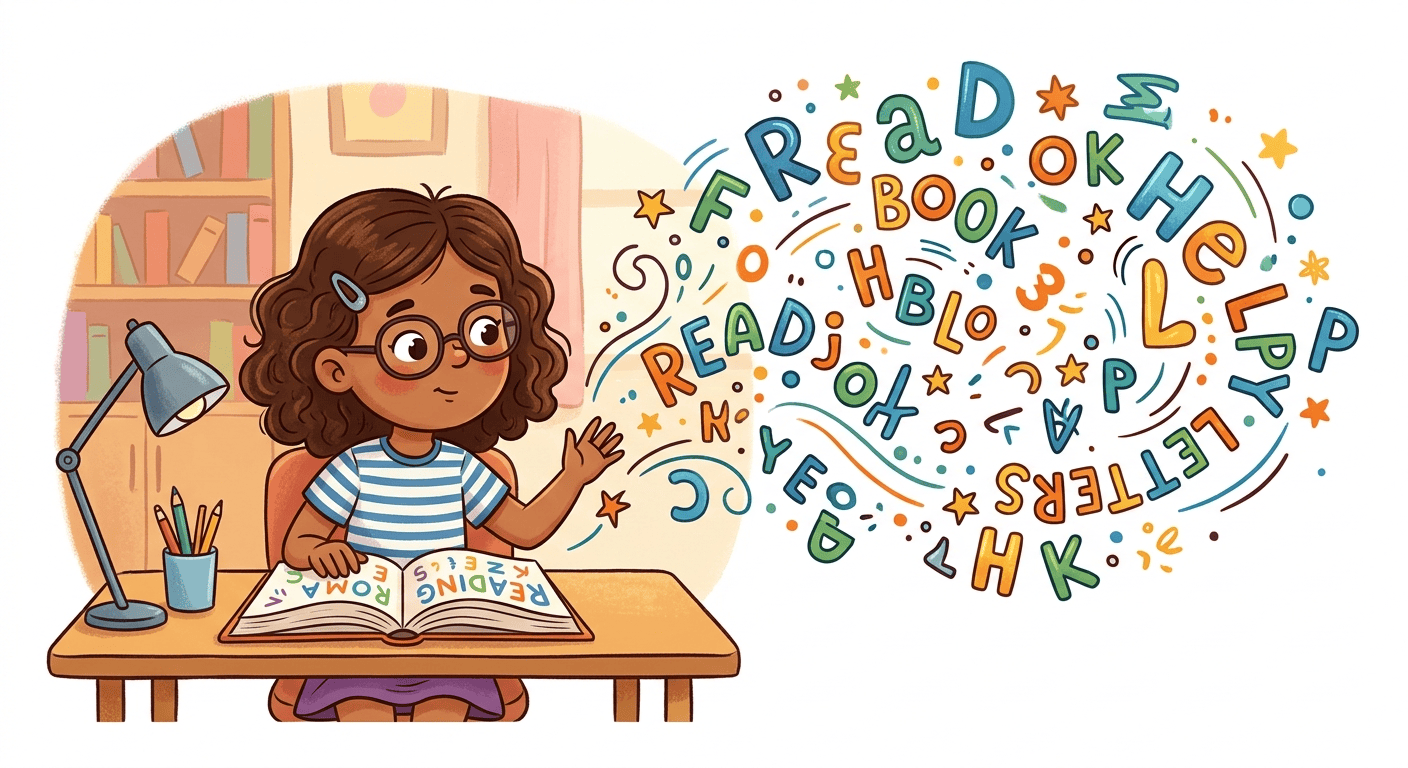
Dyslexia learning support at Growing Stars Lucknow
4.9 Β· 200+ Google Reviews

Early Intervention Matters: Early identification β€” ideally by age 6–7 β€” and structured literacy intervention dramatically improve reading outcomes for children with dyslexia. The brain remains highly plastic during early school years, making this the optimal window for intervention.

Recognise the Signs

Signs & Symptoms of
Dyslexia

Recognising these signs early can make a significant difference. If your child shows several of these, seek a professional evaluation promptly.

Difficulty learning letter sounds

Struggles to connect letters with their sounds (phonics), even after repeated instruction.

Slow, inaccurate reading

Reads very slowly, makes frequent errors, or guesses at words rather than decoding them.

Poor spelling

Inconsistent, phonetically implausible spelling errors that persist well into school years.

Letter and number reversals

Persistent confusion of letters like b/d, p/q, or numbers like 6/9 beyond the age when this is developmentally expected (age 7).

Reading avoidance

Strong reluctance to read aloud, avoidance of reading-based activities, or frustration and anxiety around literacy tasks.

Difficulty with rhyme and phonological tasks

Trouble rhyming words, identifying syllables, or manipulating sounds within words β€” a core marker of dyslexia.

Understanding the Condition

Causes & Contributing Factors

Understanding why Dyslexia occurs helps families navigate the journey with clarity and confidence.

Phonological Processing Differences

Dyslexia is primarily a phonological processing disorder β€” difficulty perceiving and manipulating the sound units (phonemes) that make up spoken words.

Neurobiological Origin

Brain imaging studies show differences in the neural pathways used for reading in individuals with dyslexia. These differences are present from birth.

Strong Genetic Component

Dyslexia is highly heritable. A parent or sibling with dyslexia increases a child's risk by 40–60%.

Not Related to Intelligence or Vision

Dyslexia is not caused by low intelligence, poor vision, laziness, or lack of effort. Many highly intelligent individuals have dyslexia.

How We Help

Our Approach to
Dyslexia

A structured, compassionate process from first assessment to lasting outcomes β€” personalised to every child.

Step 01

Psychoeducational Assessment

A comprehensive assessment of reading, spelling, phonological awareness, working memory, and cognitive processing to confirm dyslexia.

Step 02

Structured Literacy Instruction

Systematic, explicit phonics instruction following the Orton-Gillingham approach β€” the gold standard for dyslexia intervention.

Step 03

Phonological Awareness Training

Building the foundational sound awareness skills that underpin reading β€” rhyming, blending, segmenting, and phoneme manipulation.

Step 04

Multisensory Learning Techniques

Engaging visual, auditory, and kinaesthetic learning channels simultaneously to strengthen neural reading pathways.

Step 05

Reading Fluency Building

Targeted practice to improve reading speed and automaticity, reducing the cognitive load of decoding so comprehension can flourish.

Step 06

School Liaison & Accommodations

Guidance on classroom accommodations (extra time, audiobooks, assistive technology) and communication with schools about the child's needs.

Expected Outcomes

What Families See
After Treatment

With consistent therapy and family involvement, children with Dyslexia make meaningful, measurable progress at Growing Stars.

Improved phonological awareness and decoding skills
More accurate and fluent reading
Better spelling and written expression
Increased confidence and reduced reading anxiety
Effective use of compensatory strategies and accommodations
Engagement with reading for learning and pleasure
Where to Find Us

Available at
Both Locations

Main Center

Aliganj Center

MM-271, Sector D, Aliganj, Lucknow
Mon–Sat: 9 AM – 7 PM

IIM Road Center

IIM Road, Near Rajhansh Public School, Lucknow
Mon–Sat: 10 AM – 6 PM
FAQ

Common Questions
About Dyslexia

Still have questions? We're here to help. Reach out to our Lucknow team directly.

Contact Us

Absolutely not. Dyslexia affects reading, not intelligence. Many highly accomplished scientists, artists, entrepreneurs, and leaders have dyslexia. With the right support, children with dyslexia can excel academically and professionally.

Orton-Gillingham (OG) is a structured, sequential, multisensory literacy programme specifically designed for individuals with dyslexia. It teaches phonics explicitly, building from simple to complex skills. It is the most extensively researched and widely recommended approach for dyslexia intervention.

A formal diagnosis can typically be made from around age 7 (Year 2), when reading instruction has been underway long enough to identify a genuine difficulty. However, risk factors and early signs can be identified β€” and pre-reading skills can be strengthened β€” from age 4–5.

Dyslexia is a lifelong learning difference. However, with structured literacy intervention, many individuals with dyslexia develop excellent reading skills and go on to be highly successful. The goal of therapy is not to "cure" dyslexia but to build strong reading skills and effective coping strategies.

Ready to Help Your Child
Overcome Dyslexia?

Book a free 30-minute assessment at our Aliganj or IIM Road center. Our specialists will evaluate your child and design a personalised therapy plan.

Free assessment Β· No waiting list Β· Aliganj & IIM Road Centers

Related Conditions

These conditions often co-occur or share similar characteristics with Dyslexia.

Recommended Therapies

Our evidence-based services that directly address Dyslexia.